
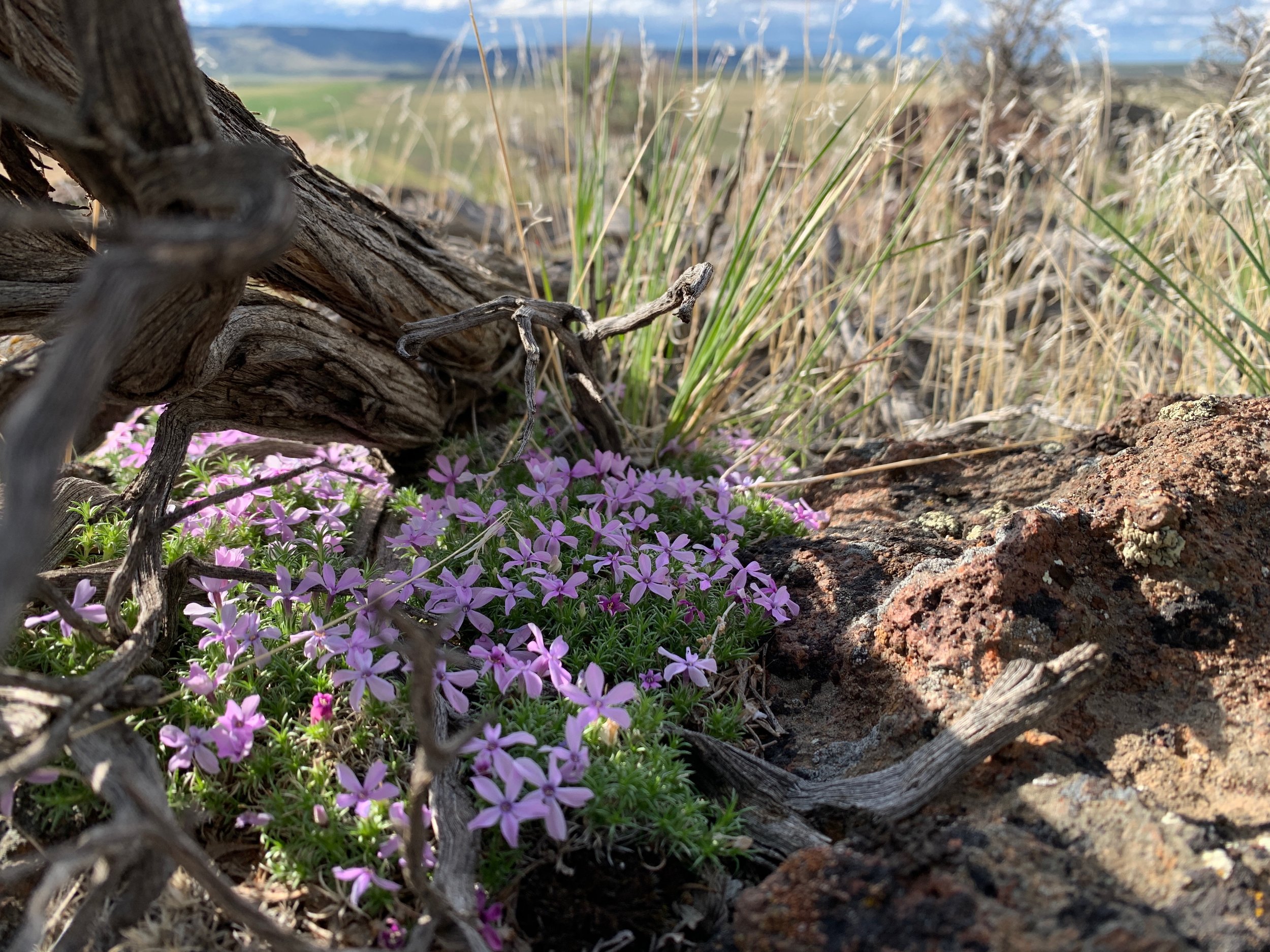
Why Native Plants
How Native Plants Enhance Urban Landscapes
Native plant landscapes foster a healthy environment for people and native species. A well-constructed and properly-maintained native plant landscape provides a myriad of benefits for people and the environment. These include:
Increased visual quality and interest
Decreased dependence on water and fertilizers
Decreased infestation by weeds
Decreased maintenance requirements
Increased resistance to disease
Increased resistance to pests
Increased habitat for wildlife and pollinators
Increased soil health
Native plant landscapes make an especially positive impact on 4 key topics that are vital for us to address in order to have the greatest impact on climate change, reduced resource availability and habitat loss.
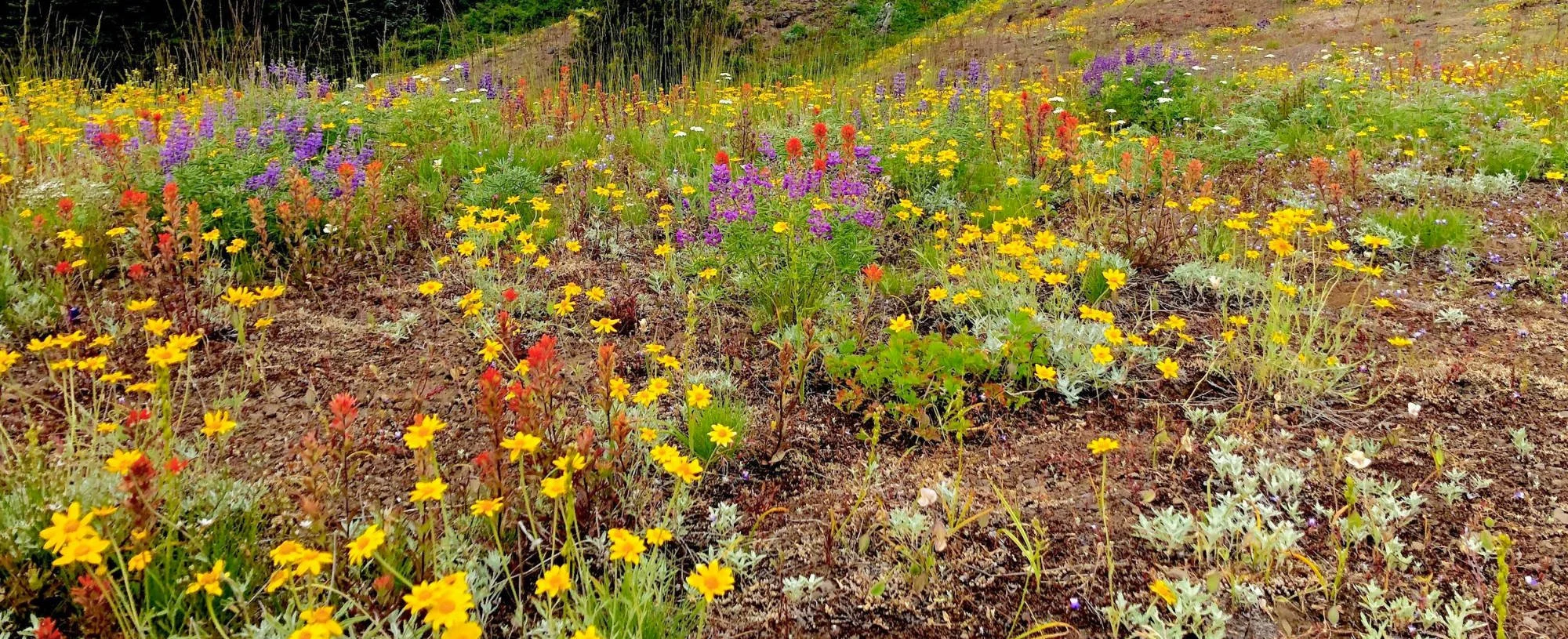
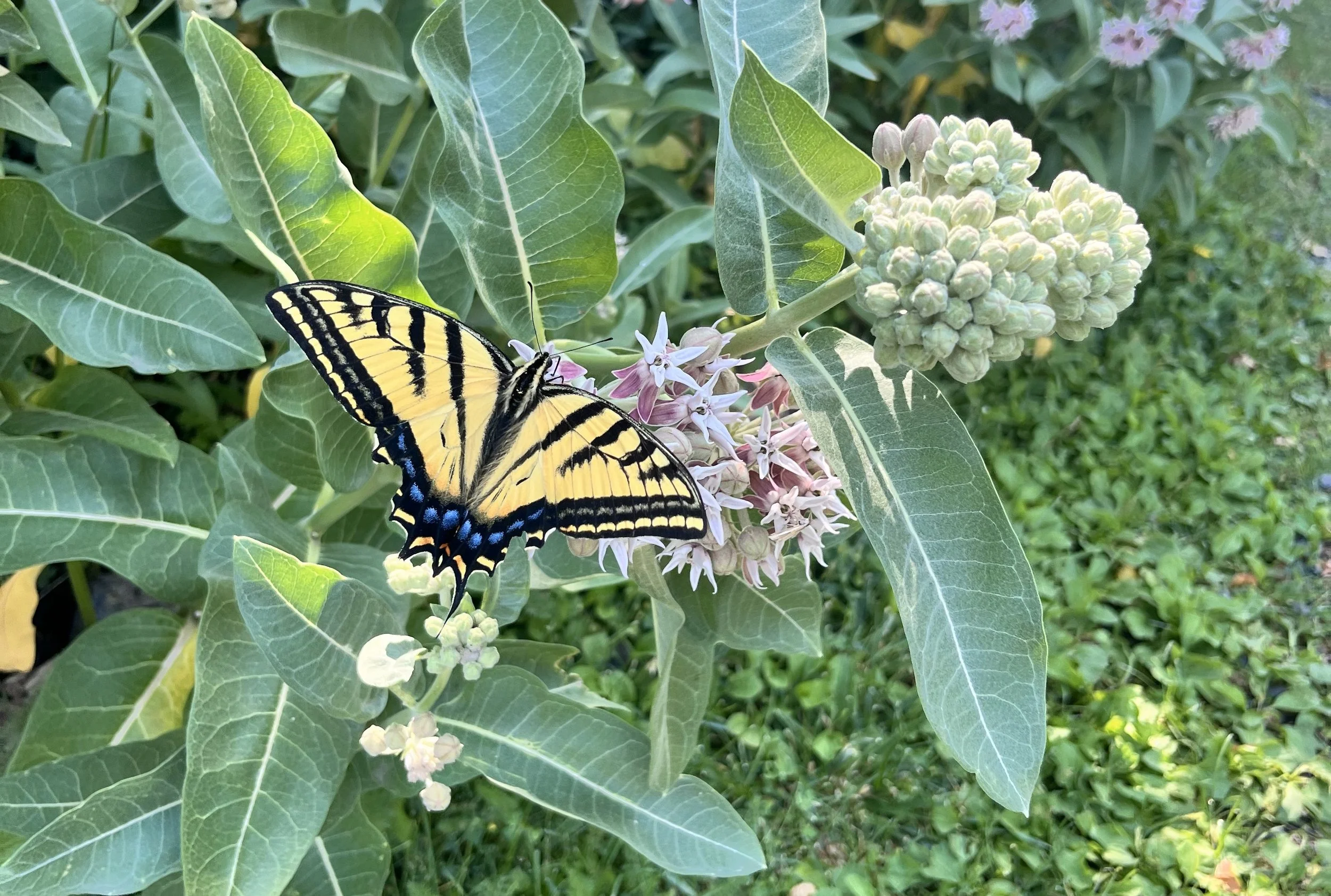
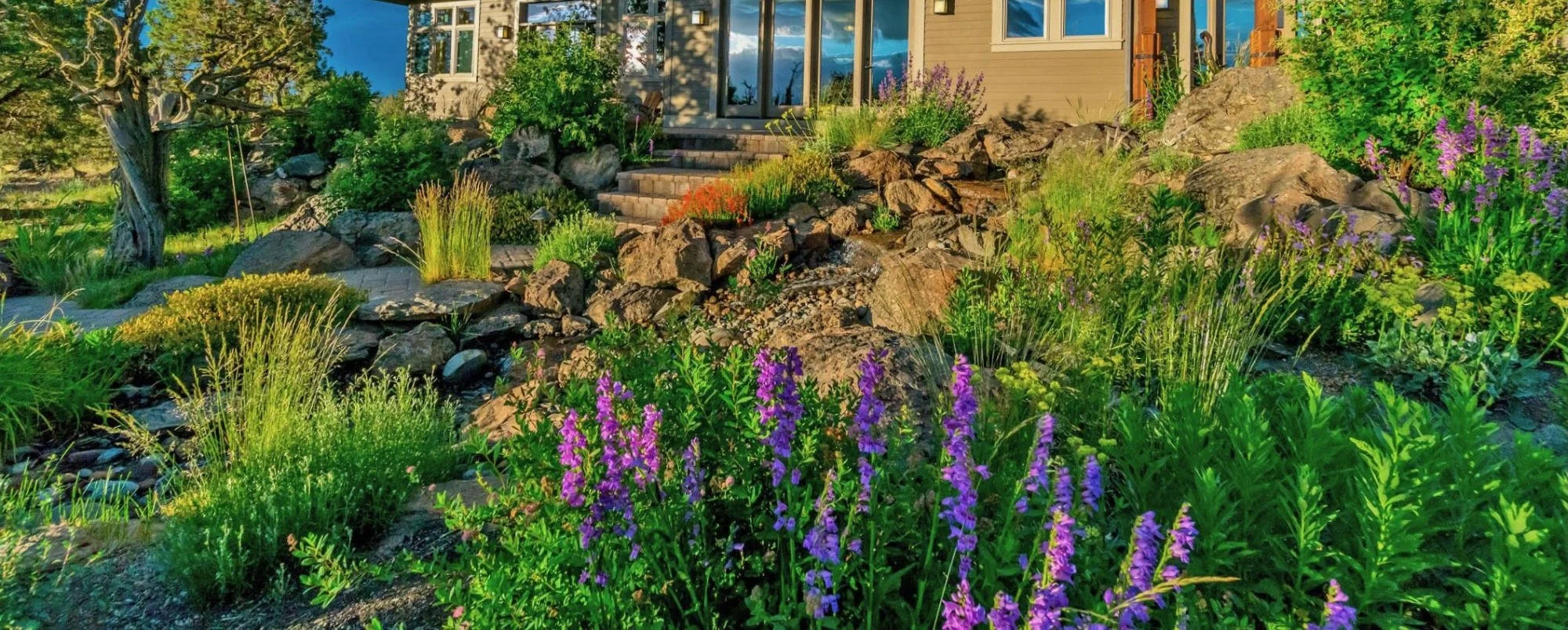
Resource Conservation
Conserving resources is essential to sustaining our way of life. In landscape design and construction, resource conservation can be integrated into the early phases of planning. With foresight, on-site resources can be captured and utilized in creative ways that reduce the need for supplemental inputs — like water or fertilizers, help form the structural elements of a biodiverse system, and create a sense of place.
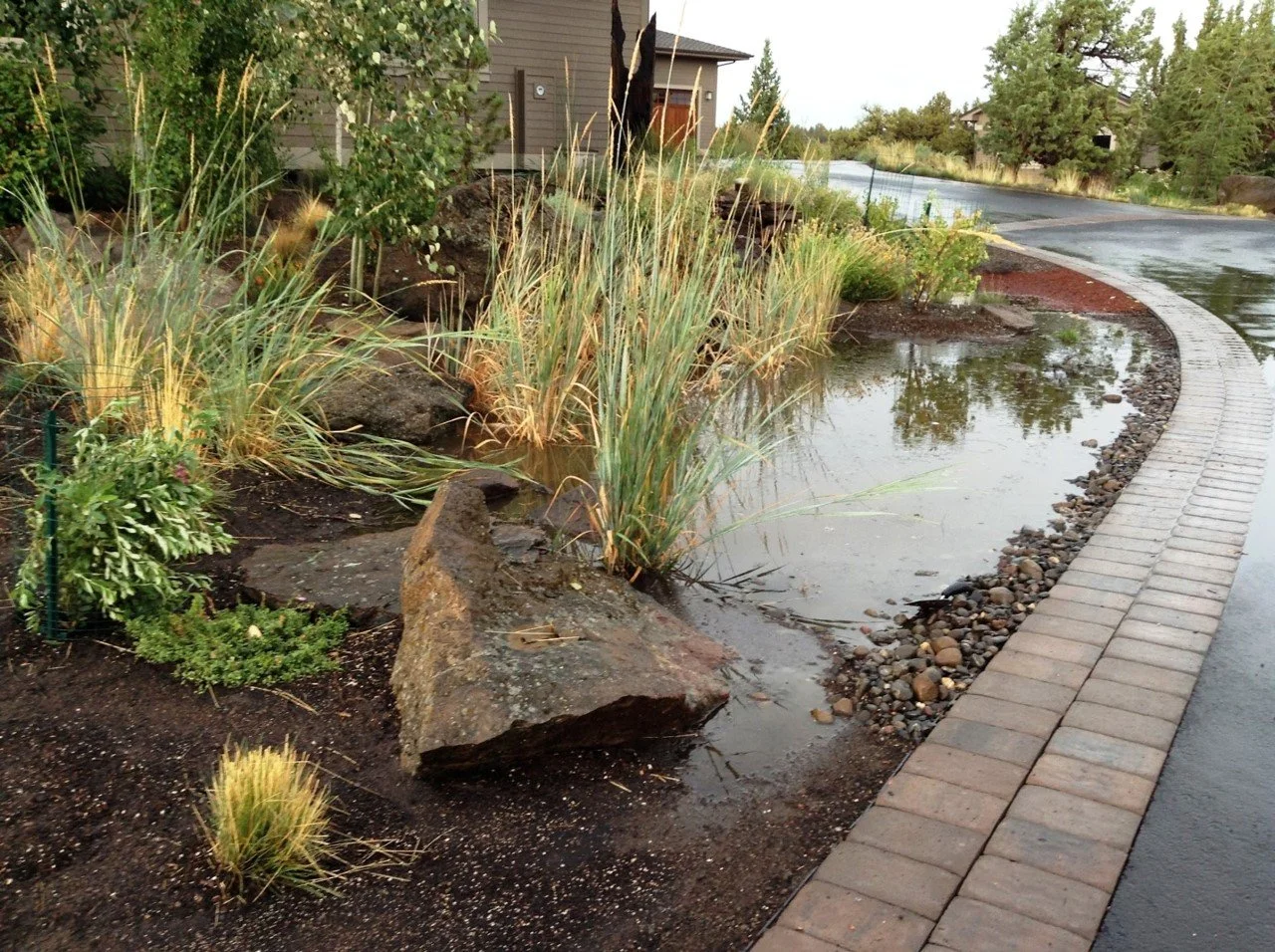
Water can be captured and reused on site, sometimes as the primary irrigation of an urban landscape. Boulders, dead trees, downed wood, and plant litter can be used to support soil biotic communities and create microclimates that expand the plant pallete for a design. Even paying attention to different exposures and wind patterns can help inform plant choices that will thrive in unique locations.
Learn more about how you can conserve resources in one of our classes.
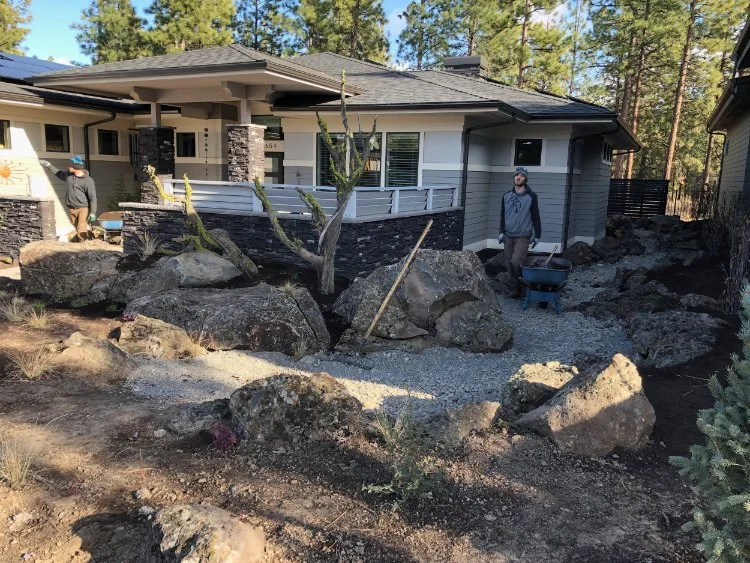
Stormwater Capture and Reuse
Water is a limited resource in arid and semi-arid areas of the west. By including stormwater capture and reuse systems in a landscaping project, you can significantly reduce the need for supplemental irrigation and create environments that expand the diversity of plants that will thrive on your property.

Resource collection
Identifying available resources on site and collecting them before construction can reduce costs, help restore the ecological balance of the site after construction, and preserve some of the natural aesthetic quality of a property.