
Articles and Resources
Articles by HDHC
High Desert Mycology

By Ben SnyderThe diversity of life on Earth is often described with reference to our "flora and fauna," but this leaves out an extremely important kingdom of organisms that are essential for all life on our planet - fungi! Though we often associate fungi and the mushrooms they produce with moisture and thus wet times of year and generally wetter ecosystems, it's important to remember that our fungal friends are an irreplaceable link within High Desert ecosystems as well - this article will lay out some basic facts about fungi and explain what some of the most common species are up to here in Central Oregon.
Climate Change and Central Oregon Landscaping

By Richard Martinson, Ph.D. Published in Cascade Business News, August 21, 2024Our climate is changing, becoming hotter and drier and increasing drought stress on our urban landscapes. Maintaining the health and vigor of urban plantings becomes increasingly difficult without increasing irrigation and using more water than may be available in our region, especially when the state is reassessing the allocation of water rights and recommending (not yet a requirement) a statewide reduction in water use. This article explores the role that native plants can play in helping address water usage and climate change.
Native Plant Landscaping: A Primer for Central Oregon
The benefits of using native plants in a landscape are well documented. Plants native to your area are generally well adapted to local environmental conditions and thrive with minimal care and maintenance. Native plants also provide habitat for local wildlife such as birds and animals, and are essential for preserving many of the benefits (ecosystem services) we receive from natural areas. However, a landscape is a created environment and there are a number of differences between natural areas and created landscapes that need to be considered when designing or planting a native plant landscape. This brief introduction discusses many of those considerations.
By Richard Martinson, Ph.D., Karen Theodore and Andria TruaxThe Future of Landscape Design: Water, Climate Change, and Public Perception
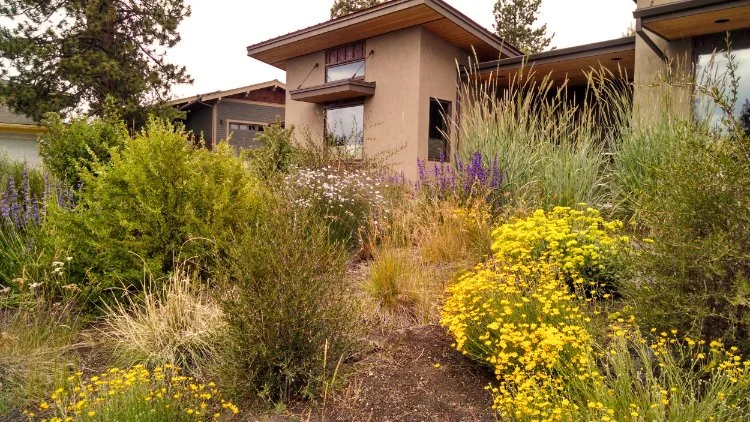
By Richard Martinson, Ph.D.We desperately need a wholesale shift in how we perceive, design, and install landscapes. Our industry has the opportunity to help create long-term solutions to effects of climate change and the expected shifts in timing, intensity, and duration of precipitation events. Water availability, use, and waste within the city has become a main focus of the Department of Public Works, and substantial effort is being made by the city and irrigation contractors to increase the efficient application of water through ensuring systems are designed and maintained correctly. However, water use will continue to be a contentious subject throughout the semi-arid west. Meeting future water restrictions will require creativity in how we design and construct landscapes in urban settings. One way to do that is through design and construction of projects based on the ecology of specific site locations.
Retrofitting a Residential Landscape Irrigation System to Improve Irrigation Efficiency in a Semi-Arid Environment A Central Oregon Case Study
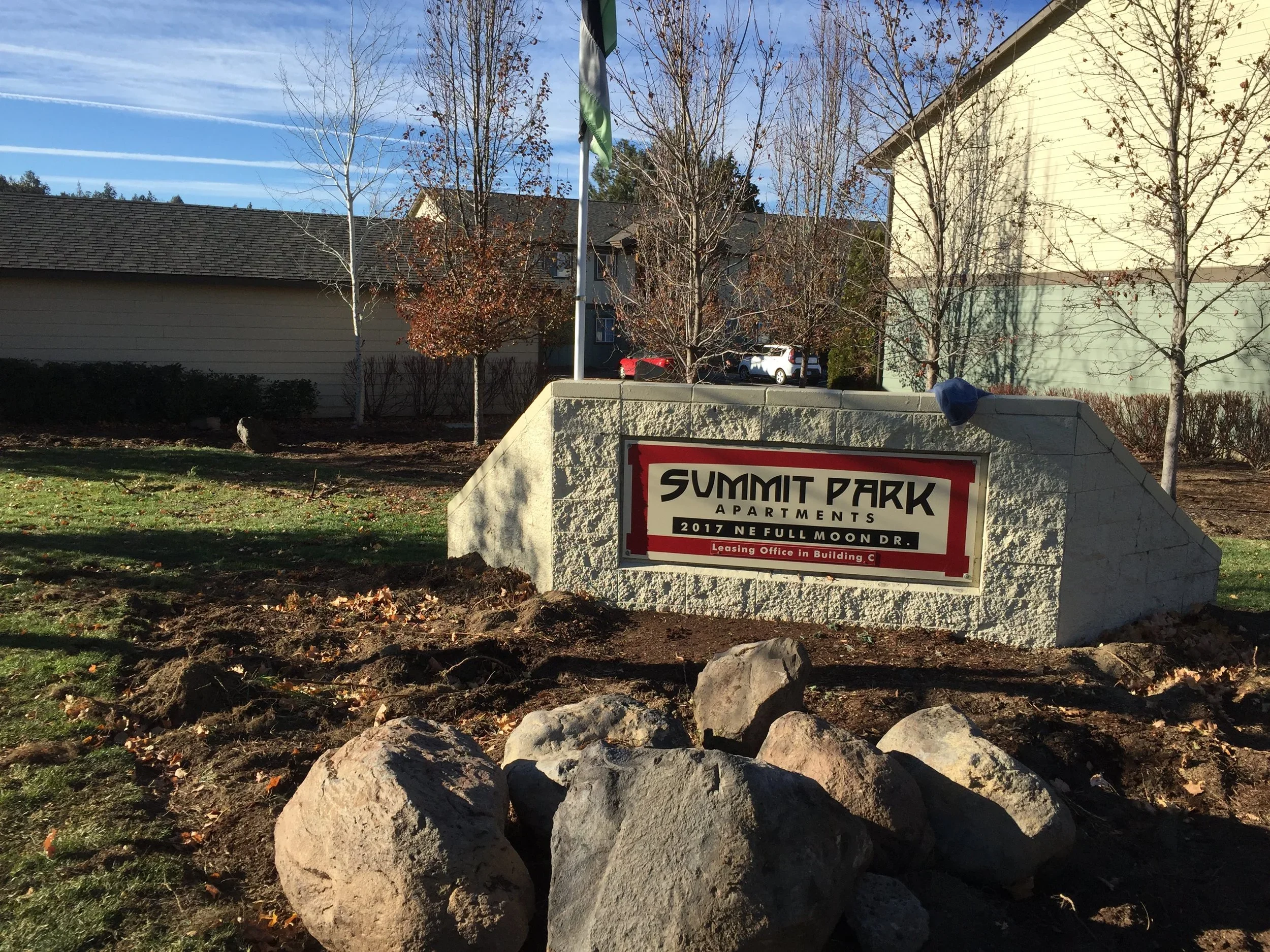
By Richard Martinson, Ph.D. and John LambrinosThe distribution and allocation of water as a limited resource is becoming increasingly important as long-term drought conditions continue to affect the availability of water. Municipalities are responding these challenges by looking at options to reduce urban water consumption. Landscape irrigation is often a target of conservation efforts, but few case studies exist documenting the real potential of water savings using design considerations and technological advances in the irrigation industry.
Native Plants in Urban Landscapes: A Biological Imperative

By Richard Martinson, Ph.D.Urban populations rely on a suite of ecosystem services generally provided by the ecological function of natural areas. Residents are becoming progressively knowledgeable about environmental issues and are expressing values and concerns to local and regional managing agencies. Governments are responding to public pressure through recommendations intended to reduce resource use, improve wildlife habitat, and provide a local aesthetic. Native plants as primary landscape elements have the added benefit of increasing biodiversity and creating environments capable of providing ecosystem goods and services within urban environments.
Article access requires a paid subscription.