
Why Native Plants
How Native Plants Enhance Urban Landscapes
Native plant landscapes foster a healthy environment for people and native species. A well-constructed and properly-maintained native plant landscape provides a myriad of benefits for people and the environment. These include:
Increased visual quality and interest
Decreased dependence on water and fertilizers
Decreased infestation by weeds
Decreased maintenance requirements
Increased resistance to disease
Increased resistance to pests
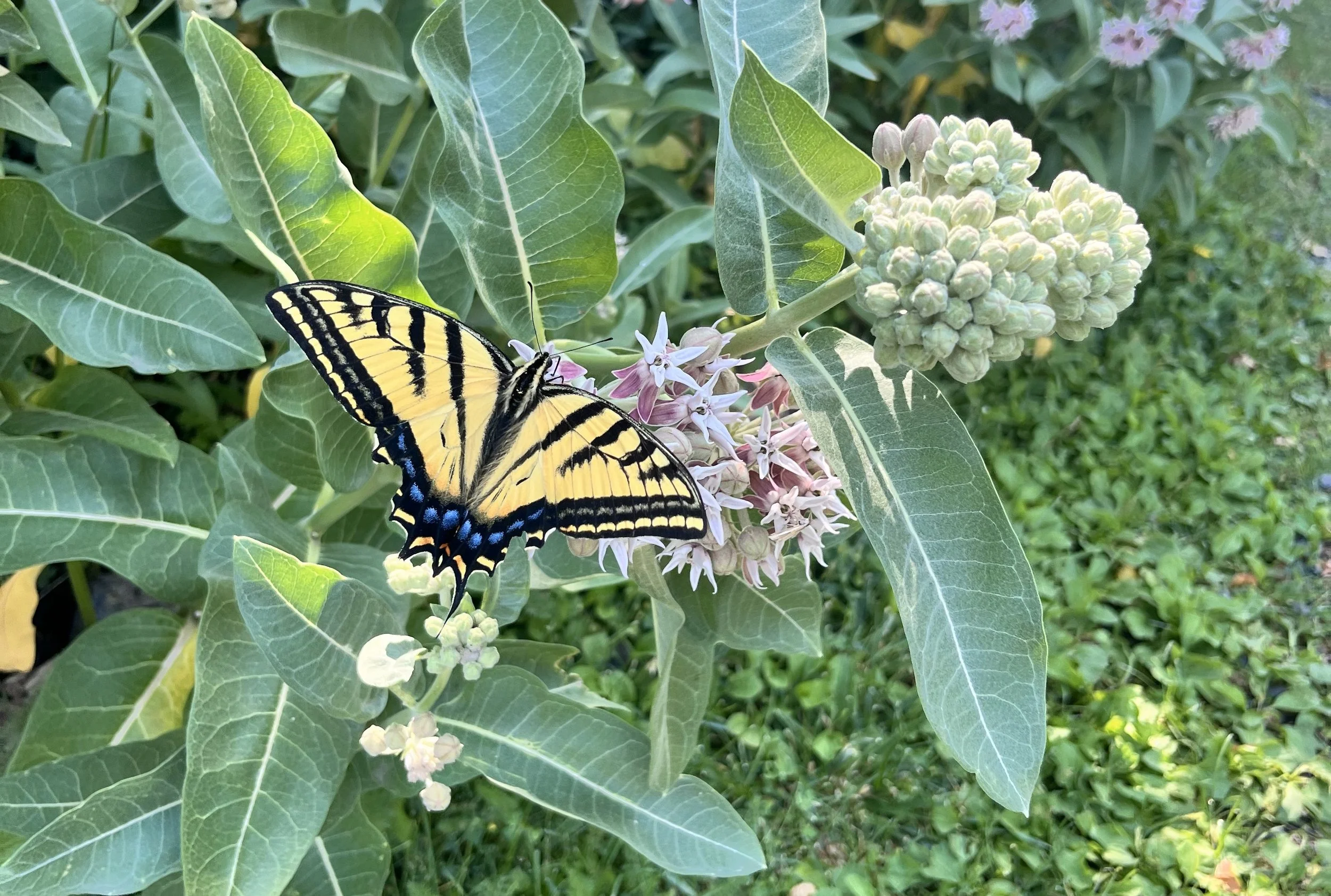
Increased habitat for wildlife and pollinators
Increased soil health
Native plant landscapes make an especially positive impact on 4 key topics that are vital for us to address in order to have the greatest impact on climate change, reduced resource availability and habitat loss.
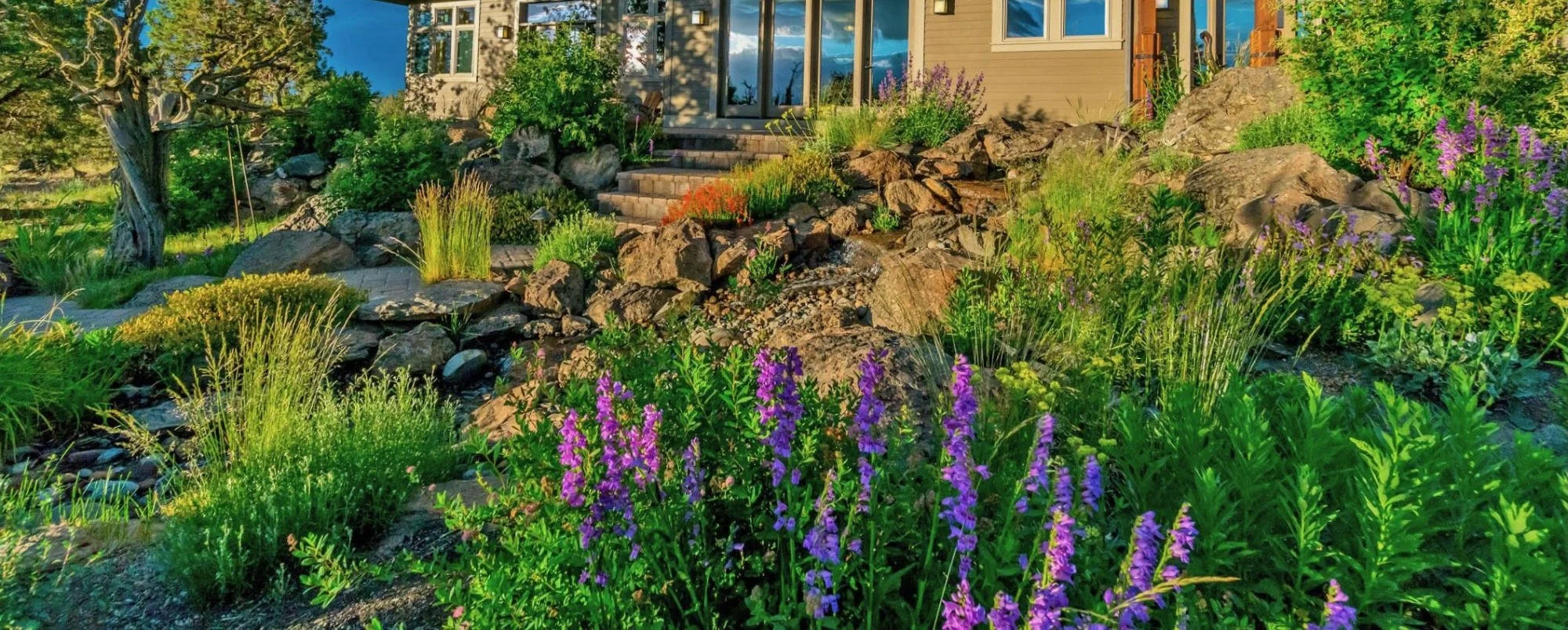
Biodiversity
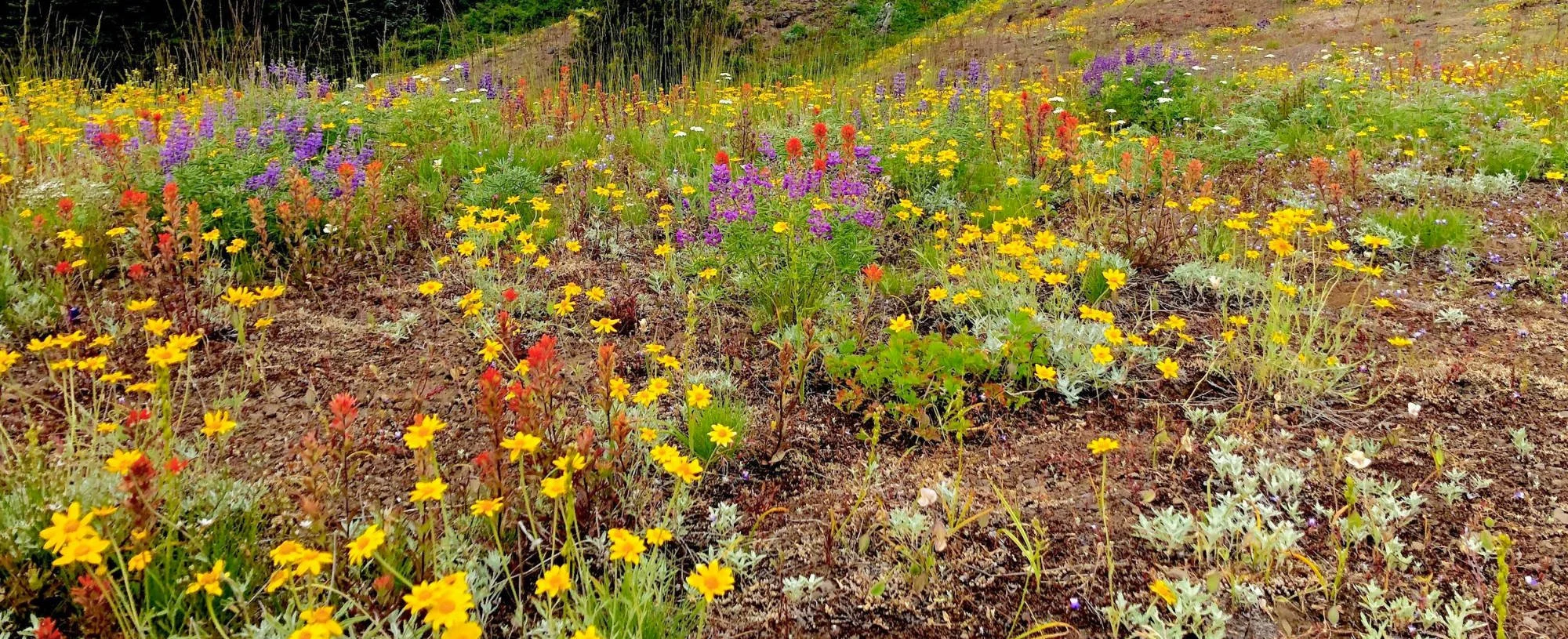
Biodiversity can have a very inclusive definition, encompassing all the various living and non-living parts of an ecosystem such as soil, rocks, trees, forbs, insects, and wildlife. For simplicity, we limit our definition to how many different plant types are in a landscape: vegetative diversity or in ecological terms — “species richness”.
A biologically diverse planting has many benefits over a landscape with a limited number of plant types, including all of those listed above. In natural areas, species richness helps mitigate habitat loss and increases an area’s ability to recover from natural disturbances like fire or cultural practices like farming.
Increasing biodiversity within our urban settings results in long-term sustainability and aids in regenerating many of the ecological functions lost through urban development.
Learn more about how you build biodiversity in your landscape in one of our classes.

Diversity in Nature
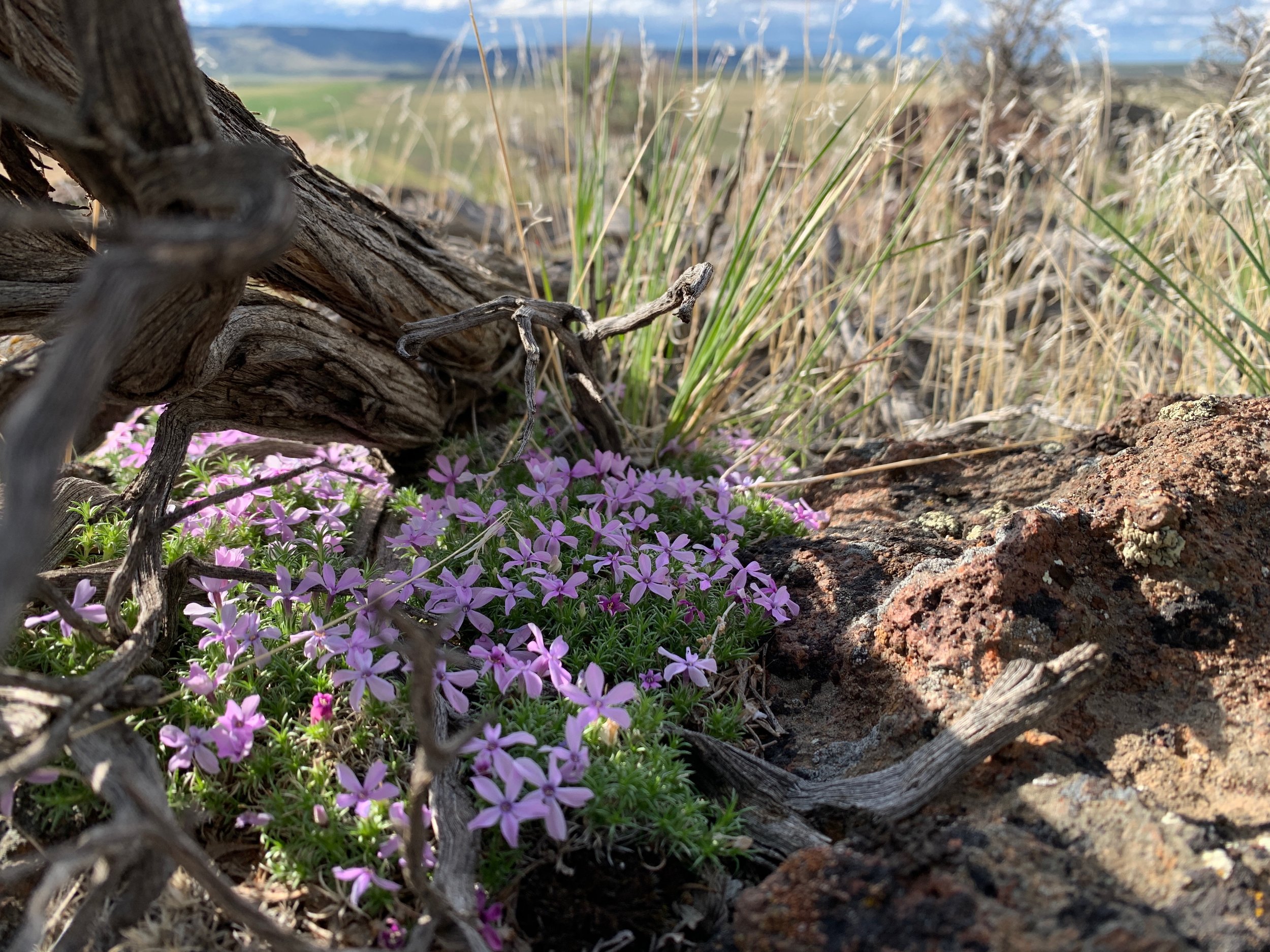
A broad pallet of plant species and types is common in most healthy ecosystems. Even this often overlooked landscape contains an amazing diversity of environments and structural elements that support a wide range of plants. Replicating the structural complexity of natural systems in urban landscapes can be one method of increasing biodiversity and providing all the benefits of a functional ecology.

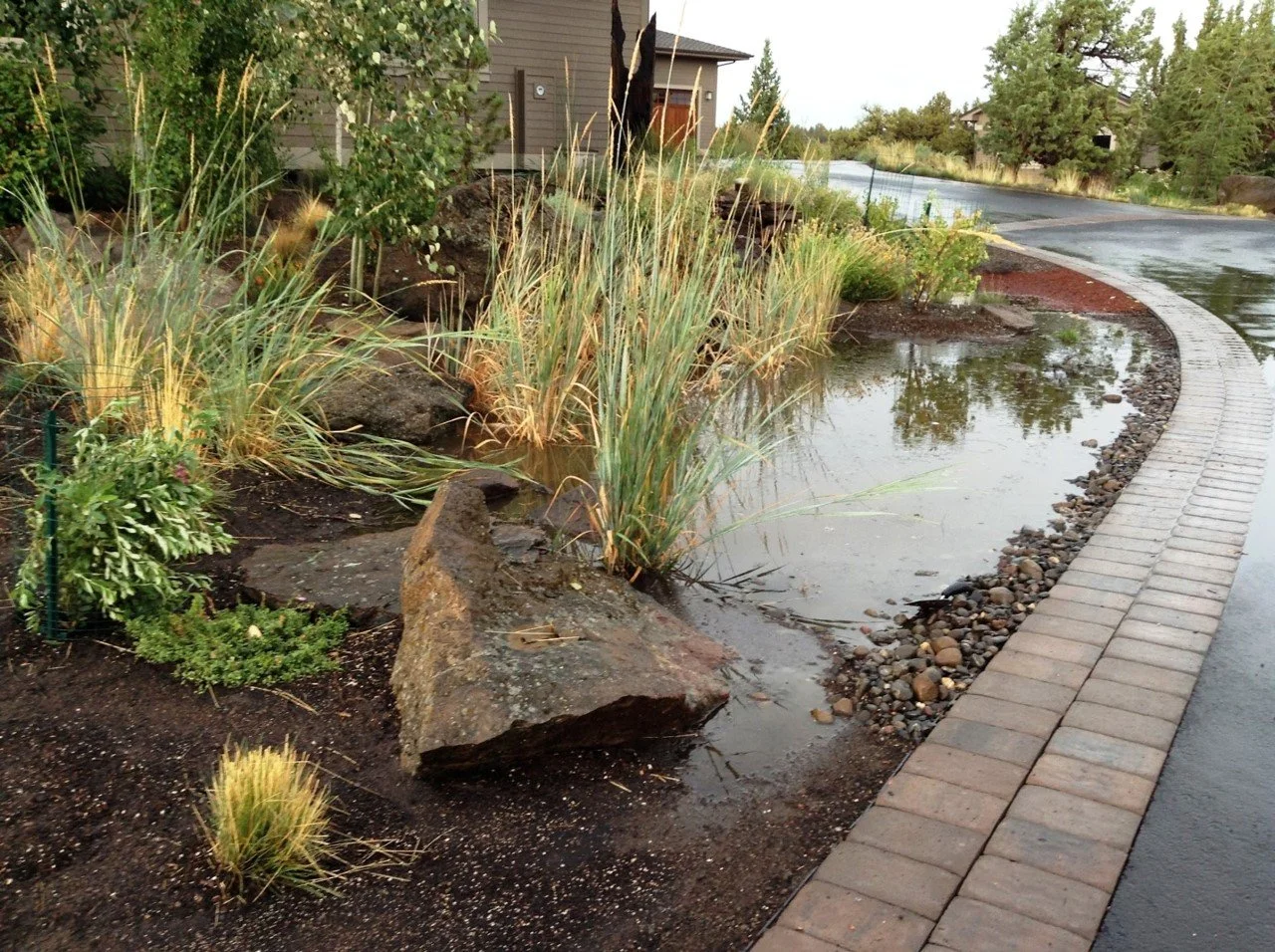
Diversity in an urban landscape
Creating the structure and conditions that support a wide range of plant types in an urban setting can provide both the aesthetic quality people expect of their landscapes and the ecological and biological benefits of nature.