
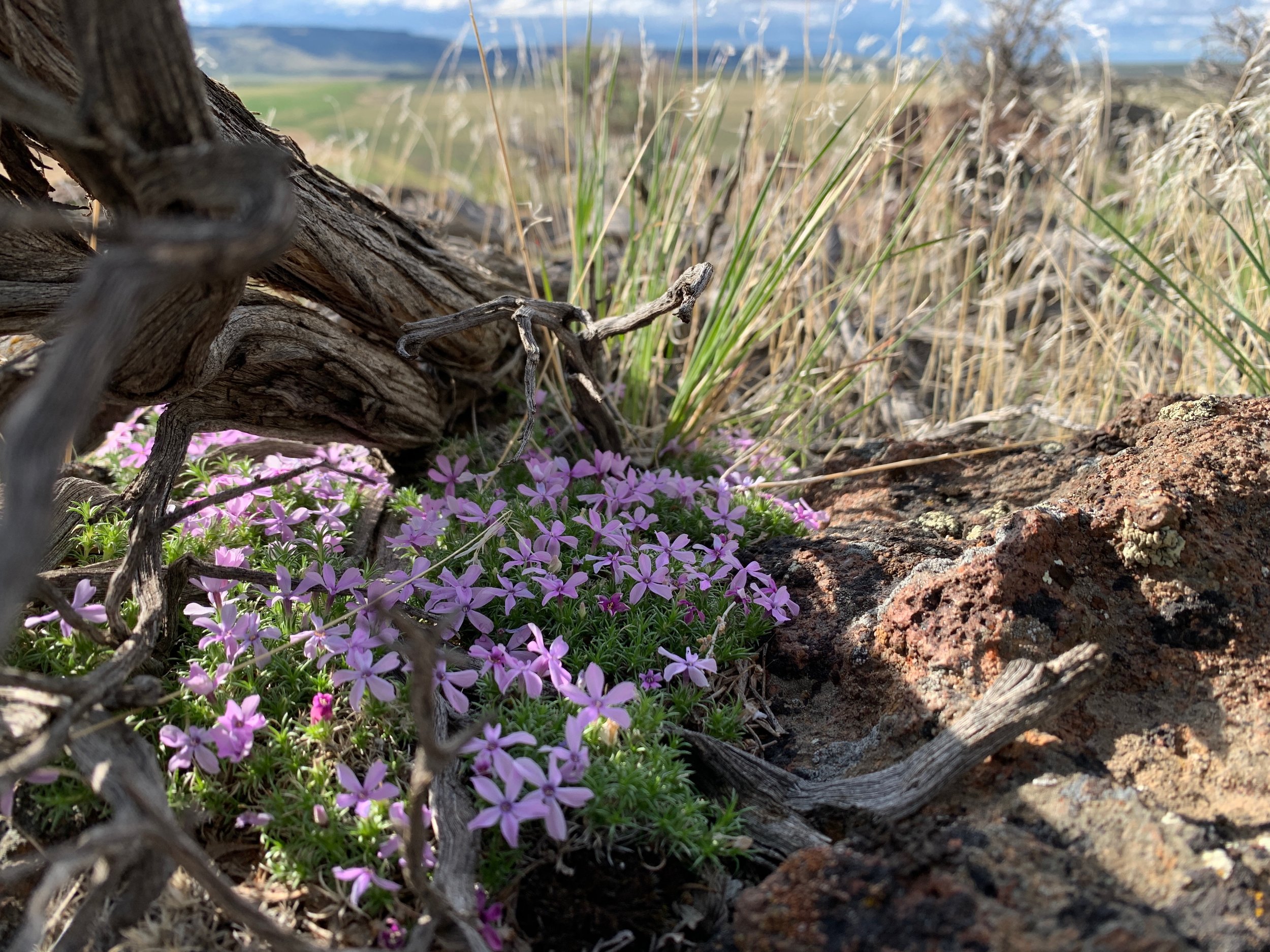
Why Native Plants
How Native Plants Enhance Urban Landscapes
Native plant landscapes foster a healthy environment for people and native species. A well-constructed and properly-maintained native plant landscape provides a myriad of benefits for people and the environment. These include:
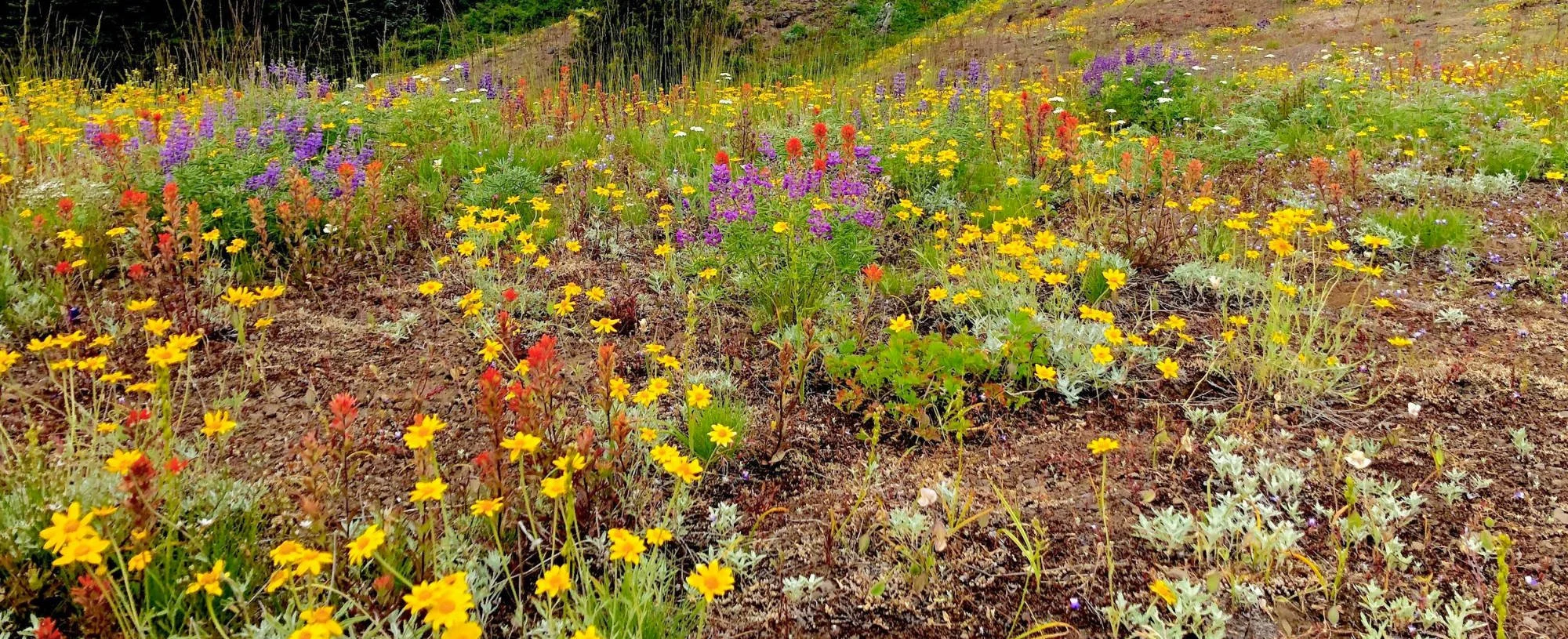
Increased visual quality and interest
Decreased dependence on water and fertilizers
Decreased infestation by weeds
Decreased maintenance requirements
Increased resistance to disease
Increased resistance to pests
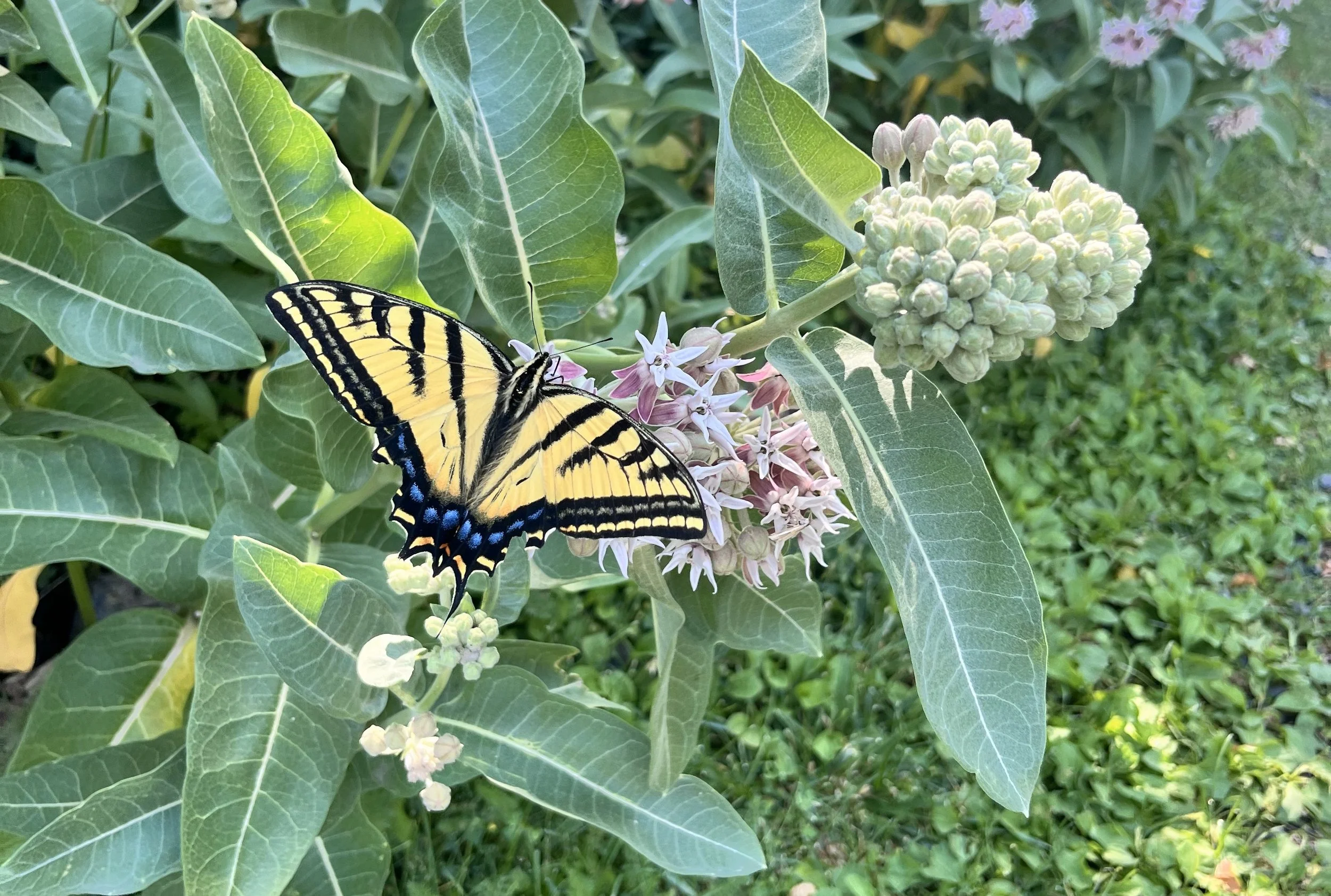
Increased habitat for wildlife and pollinators
Increased soil health
Native plant landscapes make an especially positive impact on 4 key topics that are vital for us to address in order to have the greatest impact on climate change, reduced resource availability and habitat loss.
Human Environment
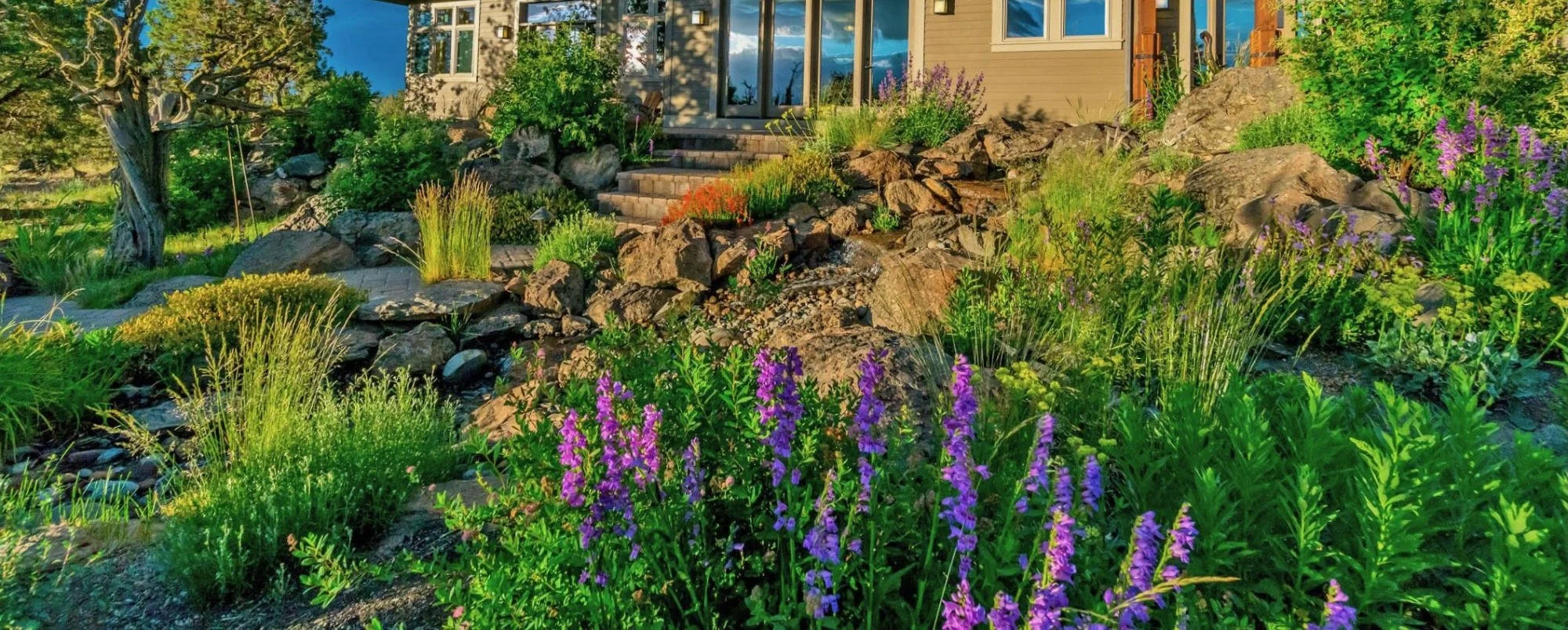
Every decision we make when designing and creating our home or planning a city affects the quality of the human environment. When we disregard the loss of biodiversity and pollinators, and design without consideration of the long-term need for supplemental resources like fertilizers and water, we fail to create a sustainable world, and even more importantly, we miss the opportunity to create environments that move beyond sustainability and begin to regenerate the important functions that natural and created landscapes provide for us – clean air, clean water, aesthetic quality, or a sense of place and community. And we fail to provide areas that can help mitigate the effects of a rapidly changing climate – things like heat island effects, the capture and storage of carbon dioxide, the release of methane, and the contribution of landscape maintenance practices of other greenhouse gases.
The HDHC approach is to increase awareness of environmental issues with planners, landscape architects, contractors, city and state officials, and others involved in the design and construction of urban, rural, and natural areas. The need is to educate landscape professionals in theory and design of environmentally responsible landscapes, and develop a workforce trained to maintain the ecological function and environmental characteristics of regenerative landscapes.
Learn more about how to design and integrate native plants into your landscape in one of our classes.

Welcoming
Creating a space for people to enjoy the benefits of a diverse native plant landscape is the ultimate goal. A successful design will incorporate all aspects of environmental responsibility, resource conservation, and habitat preservation to create truly unique designs that welcome and embrace people.
Incorporation
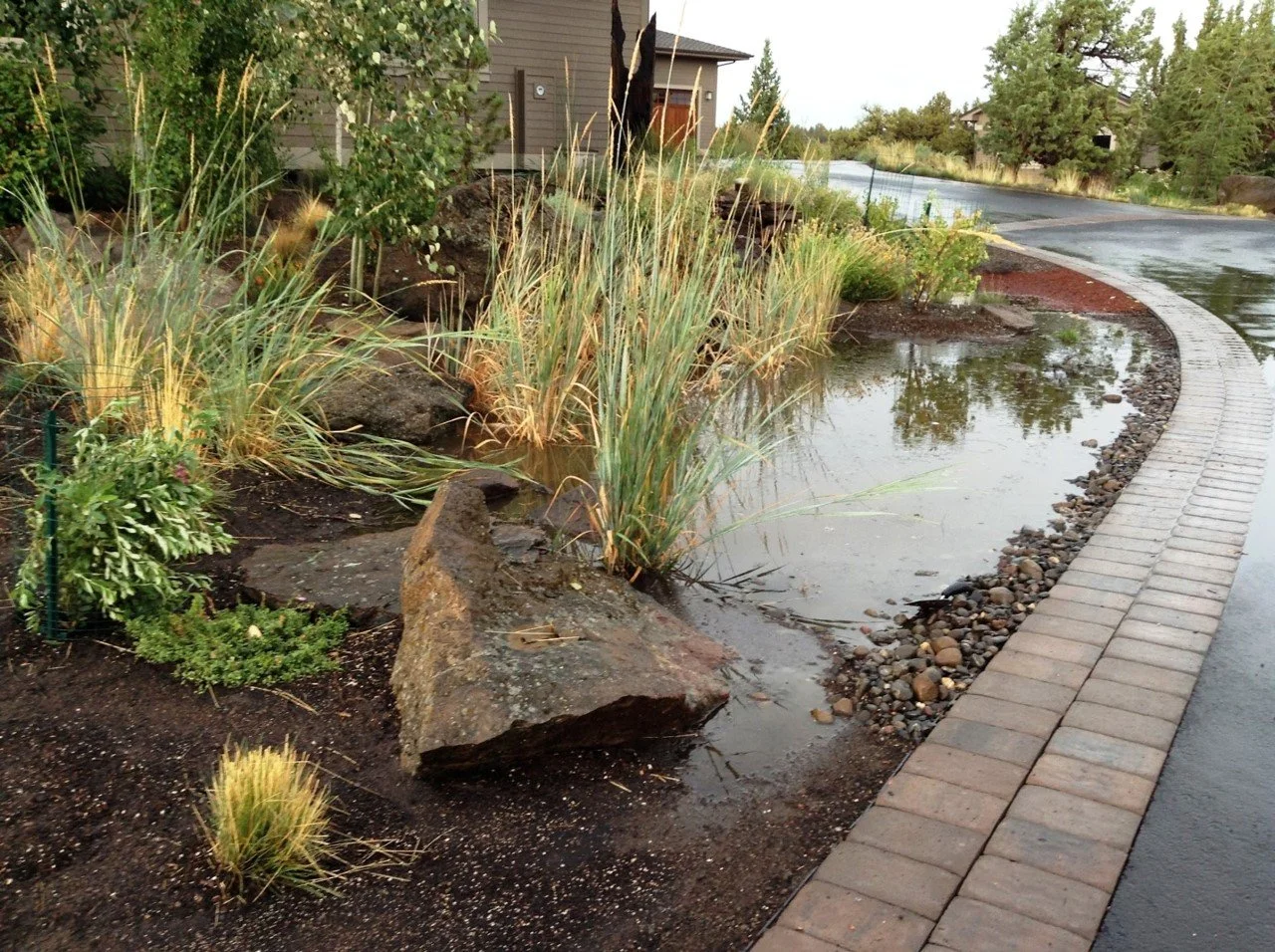
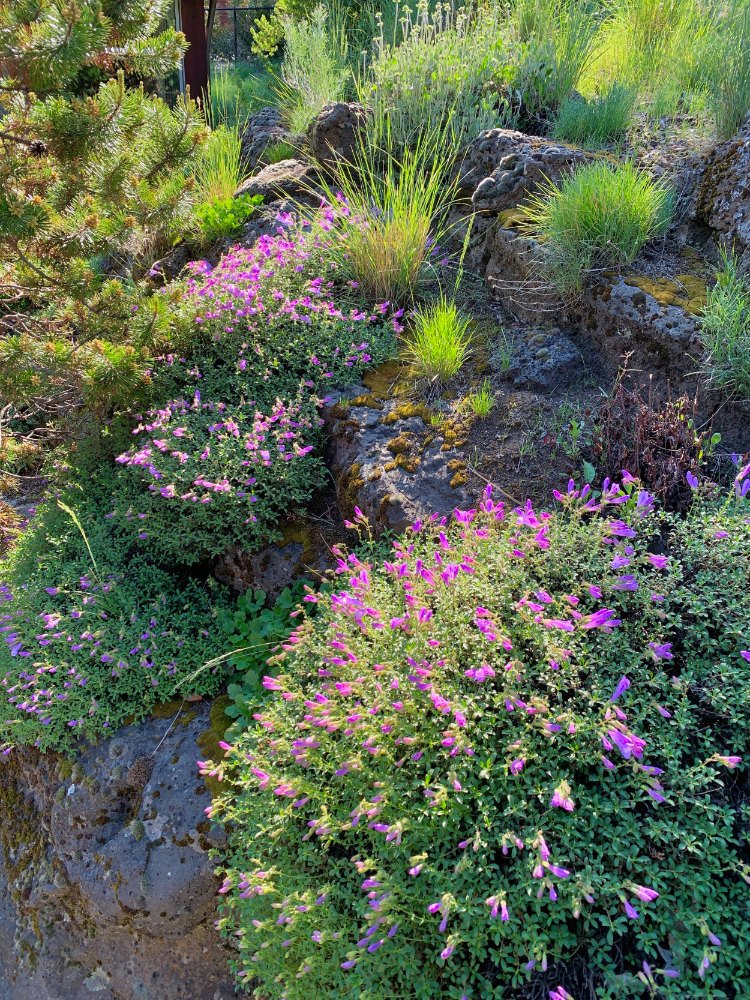
The incorporation of structural elements that add function (like stormwater capture) can add an aesthetic element and increase options for greater diversity and habitat quality in a landscape.